
Thursday 26 November 2026 (1pm GMT)
Sensory mapping is a practice used to provide advance information about the sensory characteristics of the built environment. By identifying factors such as noise, lighting, crowding, smells and opportunities for rest, sensory maps can support neurodivergent people and others with sensory sensitivities to anticipate spaces, helping them navigate with greater confidence, comfort, and control. While their use is increasing across public environments, their design language, use, and broader application remain under-examined.
Aligning with the principles of clarity, choice and calm outlined in PAS 6463 Design for the Mind: Neurodiversity & the Built Environment, Buro Happold’s research explored how sensory maps can better reflect lived experience and support a wider range of neurotypes.
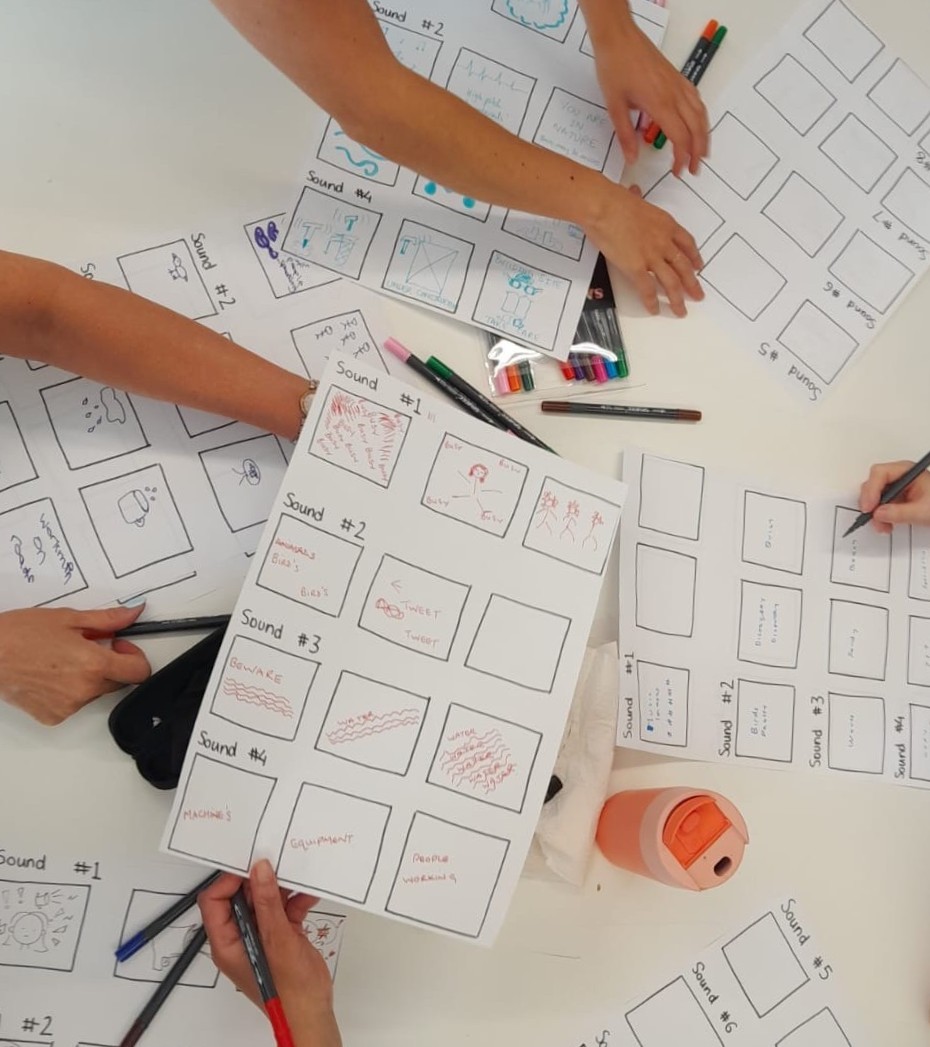
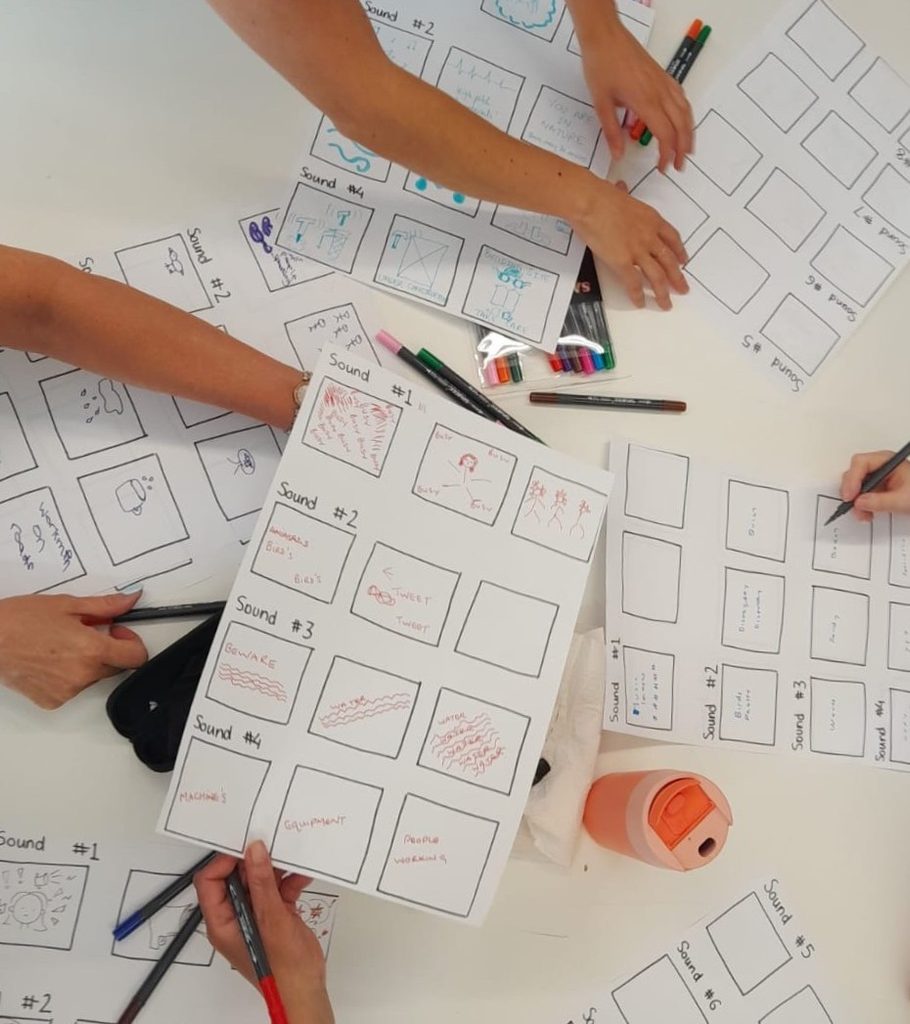
Grounded in principles of co-creation, this research combined a literature review, co-design workshops, and a global online survey, with lived experience of disability and neurodivergence embedded throughout.
This talk by Rebecca Adda shares key findings and considers the role of sensory maps as a form of inclusive wayfinding, exploring how sensory information is communicated, the opportunities and challenges of representing sensory experiences, and how sensory mapping might support people in anticipating and navigating the built environment.
About the speaker
Rebecca Adda is an Accessibility and Inclusion Specialist at Buro Happold, specialising in inclusive design for public environments, museums, and cultural venues. Her work focuses on design for sensory difference, sensory loss and neurodivergence, exploring how people with different sensory processing and communication capabilities experience and navigate the built environment. She works with designers and clients to embed accessibility and inclusion throughout the design process, involving co-creation, stakeholder engagement and lived experience to better understand people’s needs, perspectives, and interactions with space. Rebecca recently concluded an internal research project exploring the design and application of sensory maps, and their potential to support neurodivergent people in anticipating and enjoying the built environment.
About the event
Tickets are free for paid-up SDS members, otherwise £19 per person, available to purchase via the SDS Administrator (please email: [email protected] for more information). Unable to make the seminar on the day? You can buy time-limited access to the talk recording too.
Tickets are non-refundable, unless the seminar is cancelled. We are unable to accept credit card payments over the phone.