
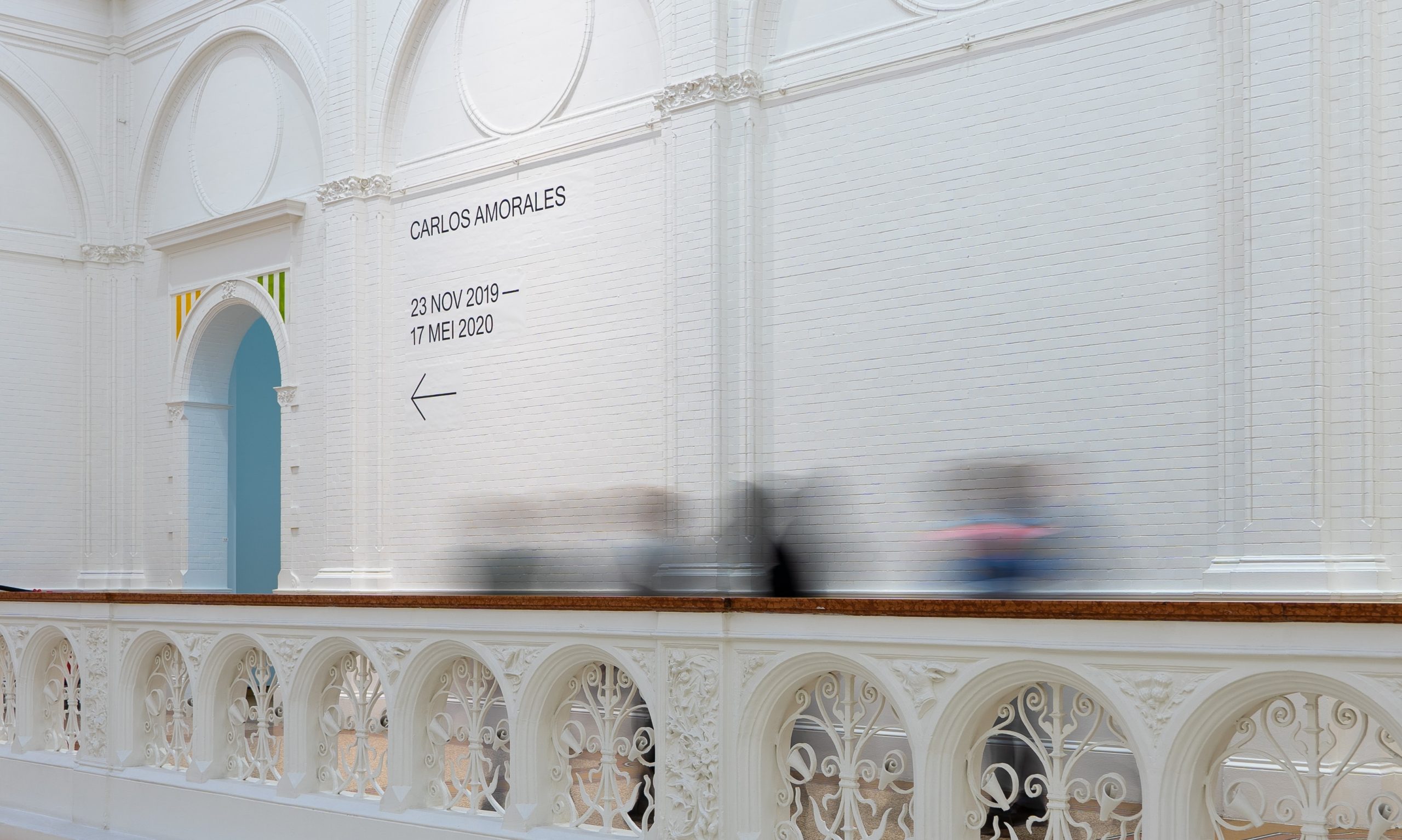
Welcome to the Sign Design Society
The Sign Design Society (SDS) is for anyone interested in information and graphic communication within buildings and public spaces, including:
- Wayfinding
- Interpretative graphics
- Brand and experiential/environmental graphics
- Statutory and health & safety signs
As well as raising the profile of our disciplines, we offer members a programme of events, resources and initiatives to help them:
- Keep up to date and improve their practice
- Find potential consultants, collaborators & employees
- Promote their work and capabilities
To join choose a membership plan that suits you and sign up!
Our events
No events are found.
Interested in a membership?
News


2nd edition Sign design guide now available to buy!
The new edition of the guide continues to provide practical guidance to experts and non-specialists alike, based on both best practice in inclusive design and the latest research.
Third party events
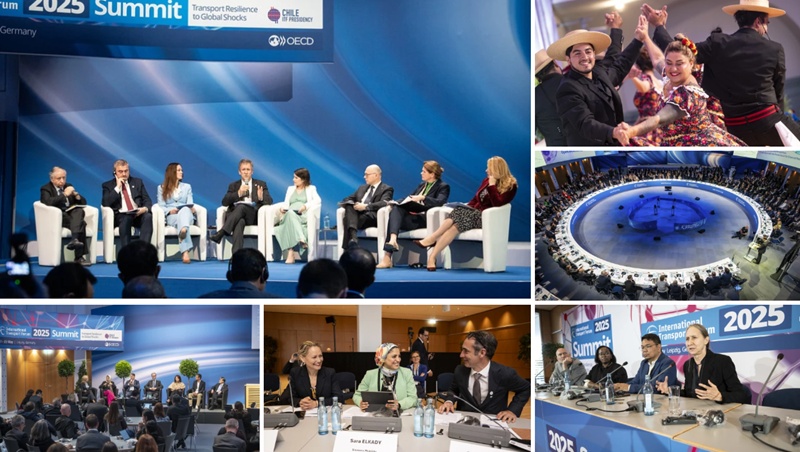
It is the world’s largest gathering of transport ministers and the premier global transport policy event. The 2026 theme, “Funding Resilient Transport”, is the second in the 2025-2027 ITF Summit trilogy on transport resilience.
Join us to celebrate all things letterpress at the annual St Bride Foundation Wayzgoose. Explore numerous stalls selling letterpress supplies, type and ornaments, paper, printed items, second-hand books and type specimens and lots more inky goodness. And there will of course be cake!

A packed programme of live demos, CPD-accredited seminars, cutting-edge product launches, feature areas and networking events across every corner of the built environment. From sustainability and digital construction to materials, roofing, HVAC, offsite and more, this overview of the innovations, insights and opportunities waiting for you at the UK’s biggest construction event.

The theme of WUF13 will shine a global spotlight on the urgent need to address the global housing crisis and position housing as a driver of inclusive, resilient and sustainable urban development. The six Dialogues at WUF13 will look at housing through different dimensions: how it can be recognized and advanced as a human right; how it can be placed at the centre of policy and practice across levels of governance and global agendas; and how ensuring adequate and equitable housing for all can unlock broader progress towards more inclusive, resilient and sustainable cities.
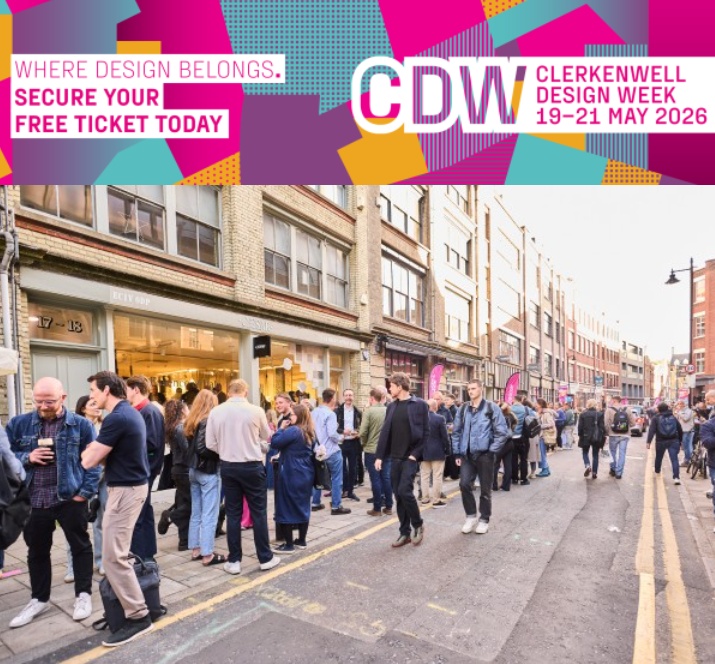
Clerkenwell Design Week returns in May 2026, bringing together a dynamic mix of new venues, established destinations and a growing international presence across EC1. As plans take shape, the festival is once again set to transform the area into a vibrant hub for design, architecture and creativity. With a programme spanning exhibition venues, immersive installations, talks and showroom events, CDW 2026 will showcase the very best of international and UK design, in Clerkenwell, where design belongs.